How much movement older Australians actually need, why strength and balance matter, and gentle ways to stay active and connected.
Staying active in later life isn't about running marathons or lifting heavy weights at a gym full of twenty-year-olds. It's about keeping your body able to do the things you want to do: getting up from a chair, carrying the shopping, playing with grandkids, staying steady on your feet. The good news is that it's never too late to start, and even small amounts of movement make a real difference.
This guide covers how much activity is actually recommended, why strength and balance matter as much as walking, and practical ways to fit movement into an ordinary week.
This is general information, not medical advice. Before starting anything new, especially if you have a health condition, check with your GP.
How much movement do you actually need?
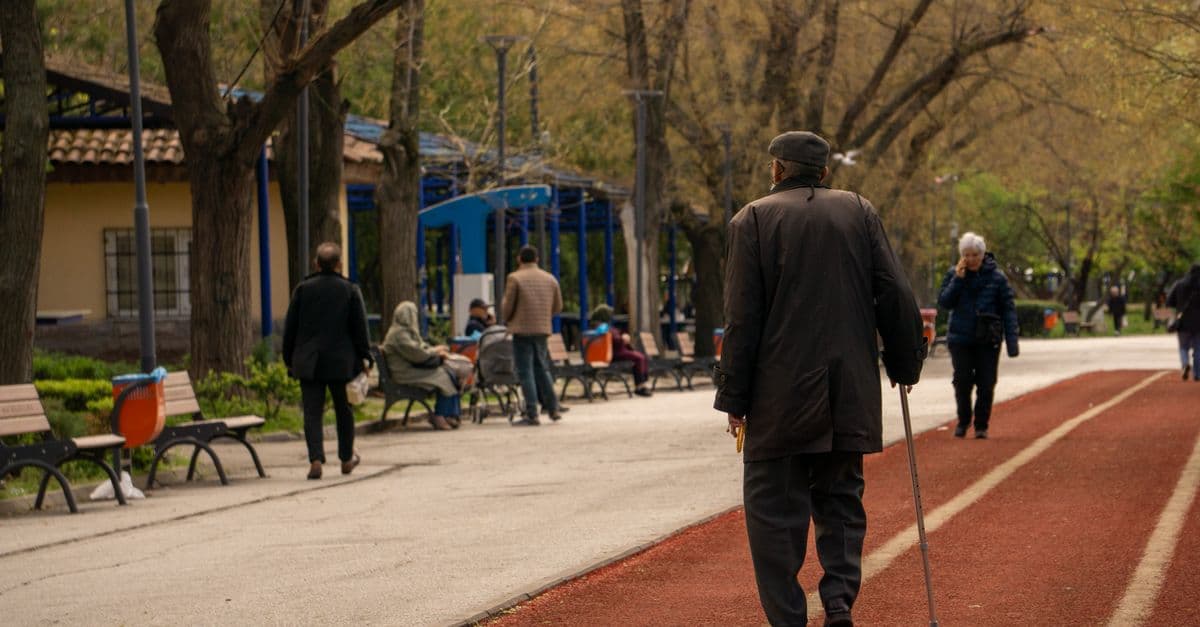
Australia's official guidance for adults aged 65 and over is clear and reassuringly achievable. The advice is to aim for about 30 minutes of moderate physical activity on most, preferably all, days of the week. See the Department of Health and Aged Care guidelines for older adults.
"Moderate" just means you're working a little: breathing harder, maybe warming up, but still able to hold a conversation. A brisk walk counts. So does gardening, dancing, swimming, or housework with a bit of pace to it.
A few important points from the guidelines:
- Something is always better than nothing. If 30 minutes feels like a lot, start with 10 and build up. Three short bursts across the day add up.
- Every age and ability is included. The guidance specifically says older people should stay active regardless of age, weight, health problems, or current fitness.
- Variety helps. A good week mixes fitness, strength, balance, and flexibility rather than just one kind of movement.
Strength and balance: the part people skip
Walking is wonderful, but it isn't enough on its own. As we age we naturally lose muscle, and weaker muscles make everything harder: standing up, climbing stairs, catching yourself if you trip. That's why the guidelines recommend strength activities on two to three days a week, alongside balance work.
You don't need a gym. Strength work can be:
- Standing up from a chair and sitting back down, several times in a row
- Heel raises while holding the kitchen bench
- Carrying shopping or watering cans
- Resistance bands, or light hand weights (even tins of food)
Balance work is just as valuable, because falls are one of the biggest threats to independence later in life. Simple balance practice, like standing on one foot while holding a steady surface, or tai chi classes, can genuinely reduce your risk of a fall.
If you're not sure where to start, an exercise physiologist or physiotherapist can design a safe program for your body. Your GP may be able to help with the cost through a chronic condition management plan, which can subsidise allied health visits. Ask about it, and browse gp-practices if you need a doctor.
Sitting less, sleeping well
Movement is only part of the picture. The same guidelines also encourage older Australians to:
- Break up long stretches of sitting as often as you can. If you watch a lot of television, stand up and move during the ad breaks. Long unbroken sitting isn't good for you even if you exercise.
- Aim for good sleep, ideally 7 to 8 hours, with consistent bed and wake times. Decent sleep supports your mood, memory, and energy for everything else.
These small habits stack up. Standing and stretching once an hour, and keeping a steady sleep routine, ask very little of you and give a lot back.
Easy ways to build movement into your week
The activities you'll actually keep doing are the ones you enjoy and the ones that involve other people. A few ideas:
- Walking with a friend or a group. Company makes the time pass and gets you out the door on the days you'd rather not.
- Lawn bowls. Gentle, social, and genuinely good for balance and coordination.
- Swimming or aqua aerobics, which are kind to sore joints while still building strength.
- Tai chi or gentle yoga for balance, flexibility, and a calmer mind.
- Gardening, which sneaks in bending, lifting, and reaching without feeling like exercise.
- Dancing, in any form you like, for fitness and a lift in mood.
Community and senior centres often run low-cost exercise classes aimed squarely at older adults, from chair-based sessions to walking groups. Browse community-centres and senior-centres near you, or search across activity options at community.
Staying connected counts too
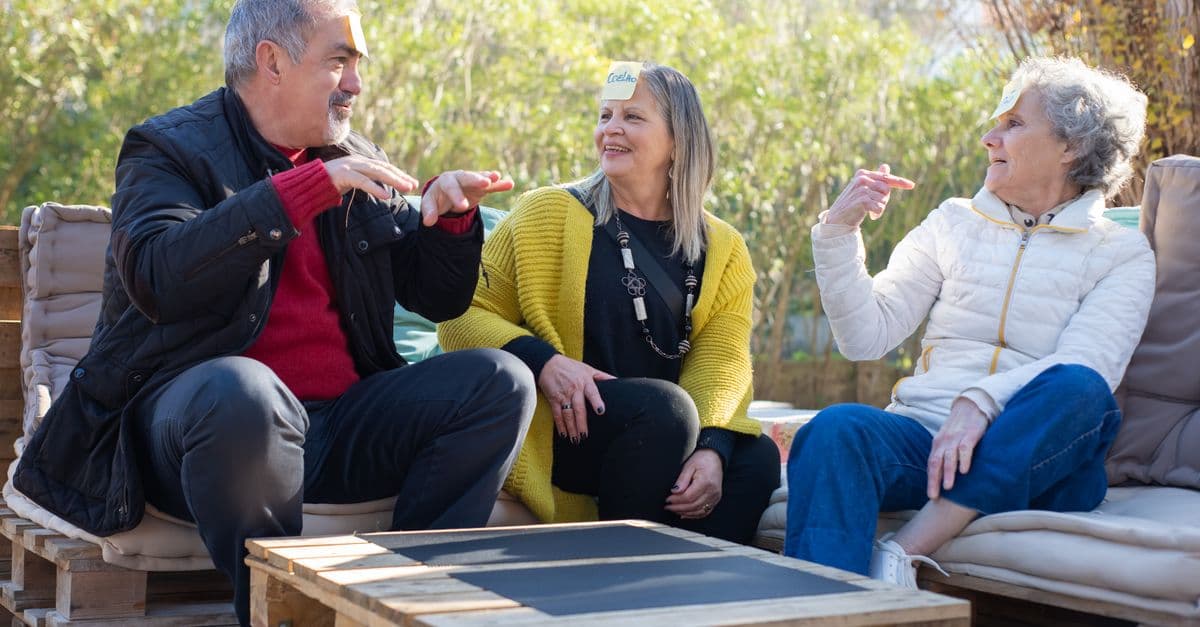
Being well in later life isn't only physical. Loneliness affects health as much as inactivity does, and the best activities tick both boxes: they move your body and put you among people. A weekly bowls game, a gardening club, or a community class keeps you fit and connected at the same time.
For men in particular, Men's Sheds offer a workshop, a project, and good company. See mens-sheds. Whatever you choose, the activity you do with others is the one most likely to stick.
If getting active feels hard right now
Maybe you've had a fall, you're managing pain, or you've lost confidence. That's common, and it doesn't mean activity is off the table. It means starting gently and with the right support.
- Talk to your GP about what's safe for you, and ask about a referral to a physio or exercise physiologist.
- If you need help at home to stay independent and mobile, look at home-care and aged-care options.
- Start with seated exercises if standing is a worry. You can build up from there.
The aim is steady, sustainable movement, not a heroic effort that leaves you sore and discouraged.
A quick checklist
Frequently asked questions
I haven't exercised in years. Is it too late?
No. The guidelines are clear that older people benefit from activity at any age and fitness level. Start small and build up gradually.
What if I have arthritis or a heart condition?
Activity is usually still recommended, but the right type matters. Talk to your GP, who can refer you to a physio or exercise physiologist to build a safe plan.
How is "moderate" activity meant to feel?
You should be breathing a bit harder and feel slightly warm, but still able to talk. If you can't hold a conversation, ease off; if it feels effortless, pick up the pace a little.
Why does strength matter so much?
Muscle keeps you independent. It's what lets you stand up, climb stairs, and steady yourself. We lose it naturally with age, so we have to work to keep it.
Where can I find a class near me?
Community and senior centres often run age-friendly exercise sessions. Browse senior-centres and community-centres, or look across activity options at community.
Before starting a new activity, especially with an existing health condition, speak to your GP about what's right for you.