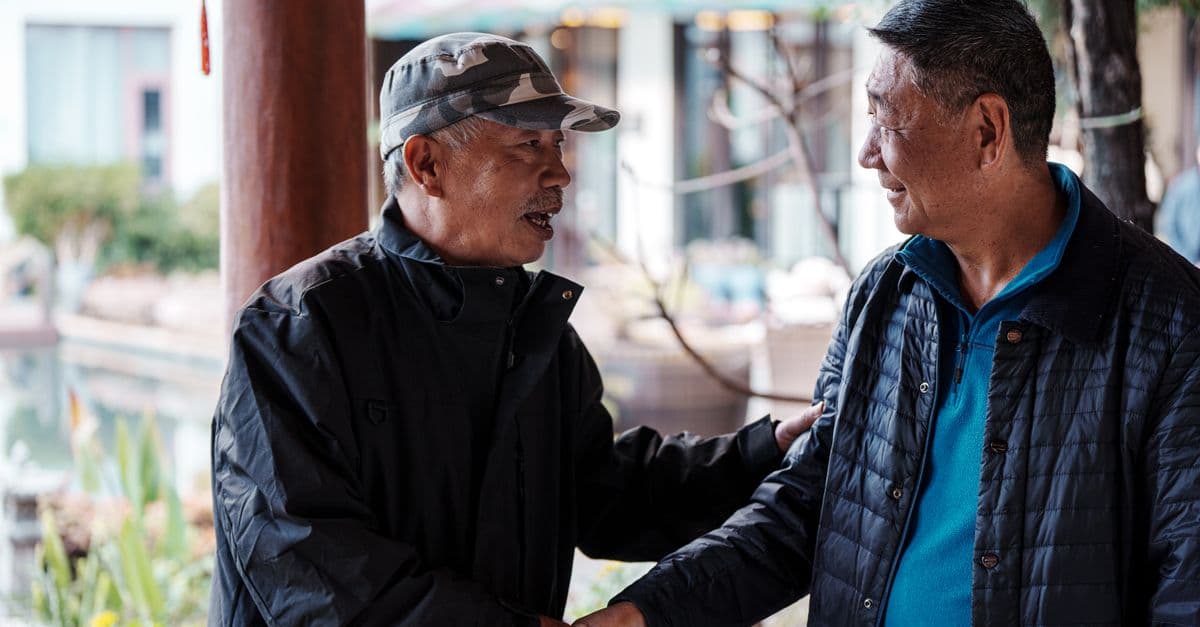
Editorial
Beating loneliness in later life: practical ways to reconnect
Loneliness in later life is common, and it's not your fault. Here are warm, practical ways to reconnect, plus where to find real groups near you.
About Australia · 2 Aug 2026
Editorial · about Australia
By Our Mate editorial team ·

A practical guide to finding social groups and activities for older adults: the main types, how to choose, and how to find what's near you.
So you've decided to get out and meet people, or you're trying to help a parent do the same. Good. The hard part isn't deciding, it's working out where to actually look, because the options are scattered across a dozen different organisations that all do their own thing.
This guide pulls it together. We'll run through the main types of social groups and activities for older Australians, help you pick one that fits, and show you how to find what's genuinely near you. Whether you're doing this for yourself or for someone you care about, you'll leave with a clear next step.
Connection is good for you, full stop. Around 1 in 7 Australians (about 15%) were experiencing loneliness in 2023 (AIHW, social isolation and loneliness), and loneliness is linked to poorer physical and mental health, not just a flat mood. Research collected by Ending Loneliness Together puts its health impact alongside risks like smoking and obesity.
But forget the statistics for a second. The real reason to join something is simpler: regular company, a reason to get dressed and head out, and the small daily pleasures of people who know your name. That's worth a great deal.
Here's the landscape, sorted by what you're after.
You don't have to choose just one. Plenty of people end up with a bowls afternoon, a U3A class, and a monthly Probus lunch, and a full week is no bad thing.
With that many options, here's how to narrow it down without overthinking it.
Start with the interest, not the loneliness. "I've always wanted to try painting" or "I miss being around tools" points you straight at the right group. Following a genuine interest makes the first visit far easier than turning up just to "be social."
Match it to your energy and mobility. Be realistic. If a knee's playing up, a craft circle or a card group beats a bushwalk. If you're full of beans, lean into the active stuff. You can always add more later.
Mind the practicalities. How will you get there? Is it a cost you're comfortable with? Most of these options are free or cheap, and many councils and community groups run transport for older residents, so ask if getting there is the sticking point.
Pick one with a built-in activity if you're shy. A shared task carries the conversation. It's much easier to chat over a workbench or a bowls mat than across an empty room.
Then just go once. Don't commit forever, commit to a single visit. You'll know within an hour whether it's your kind of room.
This is where Our Mate comes in. Instead of chasing a dozen separate websites, you can find verified local groups in one place.
Every listing on Our Mate is verified, so you're not wading through dead links and out-of-date phone numbers. And because we cover both regulated aged care and everyday community life, you can find the social side and the support side in the one spot.
If you're reading this for someone else, your job is to make saying yes as easy as possible, not to organise their whole social life.
Your library and neighbourhood house are free or close to it, and both run social activities. They're a brilliant, no-cost first step.
Plenty. Look for groups within walking distance, ask about community transport (many councils and community groups run it for older residents), and consider phone or online groups for the days you can't get out. A neighbourhood house can point you to local transport options.
Keep it small and interest-led, offer to go along the first time, and don't push too hard in one go. A single positive visit often shifts things more than any amount of persuading. And do check whether something deeper, like low mood or anxiety, is in the way; if so, their GP is a good place to start.
Yes. We verify listings so you can trust the details. Browse community options or search your suburb to find what's near you.
Smaller places often have more than appears online. Ring your local neighbourhood house or council; they tend to know every group going, including the ones that never made it onto a website.
The whole thing comes down to one move: pick something that genuinely interests you, find it near you, and go along once. Everything good tends to start from there.
Loneliness in later life is common, and it's not your fault. Here are warm, practical ways to reconnect, plus where to find real groups near you.
About Australia · 2 Aug 2026
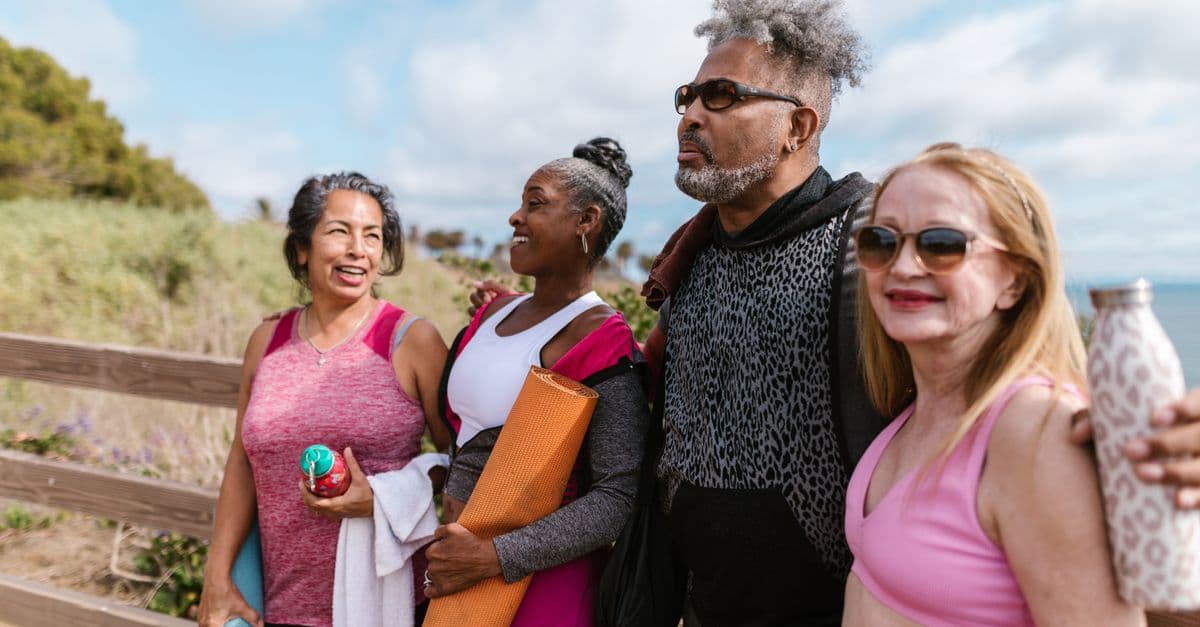
Loneliness is a health issue, not just a mood. A tour of the low-cost, welcoming groups that keep people connected as they age.
About Australia · 10 June 2026