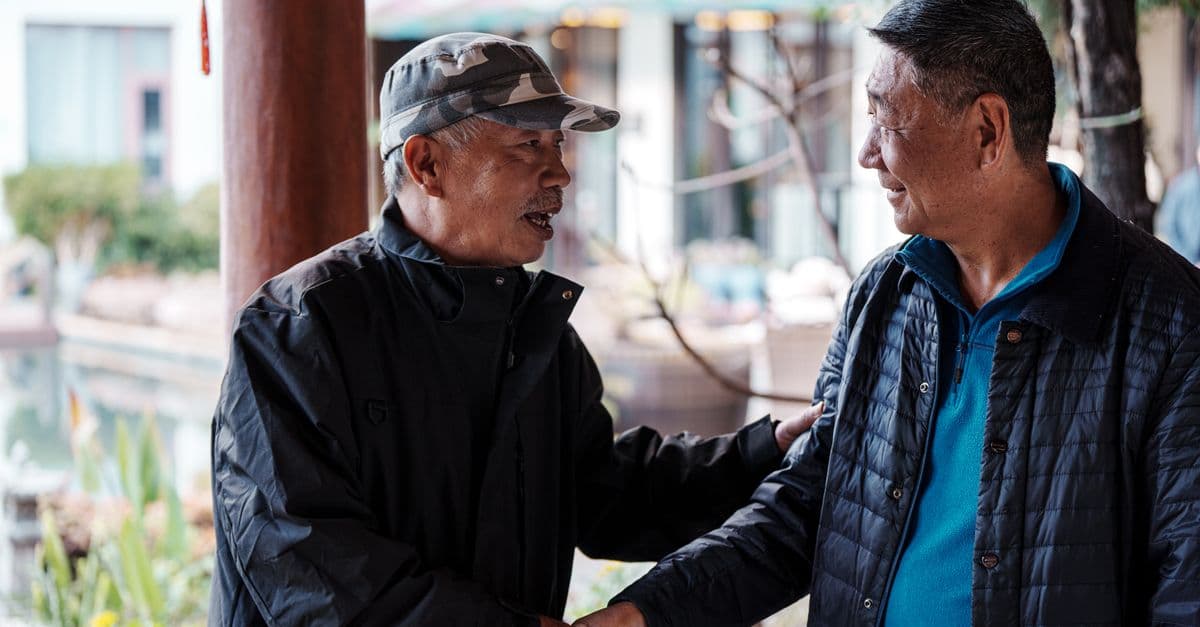
Men's Sheds are friendly community workshops where blokes make, mend and yarn together. Here's what they're really like and how to find one near you.
Walk into a Men's Shed on a weekday morning and the first thing you'll notice is the noise: a drop saw somewhere, the kettle going, two blokes arguing good-naturedly about the right way to sharpen a chisel. The second thing you'll notice is that nobody asks you to explain yourself. You're there, you're welcome, grab a cuppa.
That's the heart of it. A Men's Shed is a community workshop where men come together to potter, build, fix, and talk. It's one of the quietest, most effective ideas in Australian community life, and there's almost certainly one near you.
So what actually is a Men's Shed?
A Men's Shed is a shared space, usually a real shed or workshop, run by and for its members. Men turn up to work on projects, restore furniture, build things for the community, or just to be useful and have company. There's no boss, no roster you have to justify, no pressure to perform.
The movement grew out of a simple observation: women tended to have more community spaces and social networks as they aged, while a lot of men, especially after retirement or the loss of a partner, drifted into isolation. The shed gives men a reason to leave the house, a task for their hands, and other blokes to share it with.
The famous line in the movement is that "men don't talk face to face, they talk shoulder to shoulder." Side by side at a workbench, the conversation flows in a way it never would across a counsellor's desk. That's not an accident, it's the whole design.
How big is the movement?
Bigger than most people realise. There are well over 1,000 sheds across Australia, supported by the Australian Men's Shed Association (AMSA), the national peak body formed in 2007. According to AMSA, tens of thousands of Australian men take part. The Australian Government's Department of Health, Disability and Ageing also backs the sector, which tells you it's taken seriously as a health and wellbeing measure, not just a hobby club.
Many sheds these days also welcome women's sheds and community sheds, so the "Men's" in the name is more about origins than a hard rule. If you're unsure, just ask your local one.
What goes on in there?
Every shed has its own flavour, shaped by its members and its tools. But you'll commonly find:
- Woodwork and joinery - furniture, toys, garden boxes, repairs.
- Metalwork and welding at the better-equipped sheds.
- Restoration projects - old tools, bikes, even small machinery.
- Community work - building planter boxes for the local school, repairing things for neighbours, making items to raise funds for charity.
- A serious tea-and-biscuit culture. Do not underestimate the morning tea.
Some sheds run guest talks, including health sessions on things blokes don't always book a GP for. A lot of sheds have quietly become places where a man going through a rough patch finds people who notice and check in.
Who's it for?
Honestly? Most men get something out of it. But sheds are especially good for:
- Men who've recently retired and find the days suddenly shapeless.
- Blokes who've lost a partner and feel the house go quiet.
- Men who've moved to a new town and don't know a soul.
- Anyone who likes working with their hands and would rather do than sit.
- Carers wanting a regular break and some company of their own.
You don't need to be a tradie or a master woodworker. Plenty of members arrive having never used a lathe in their lives. Someone will show you. That's part of the point.
What about cost?
Most sheds run on a small annual membership and maybe a gold coin for tea. They're community-funded and volunteer-run, so cost is rarely the barrier. If money's tight, say so quietly to the coordinator; sheds are good at sorting that out.
What it's really like to walk in for the first time
Let's be honest about the nerves, because they're normal. Showing up somewhere new, on your own, as an older bloke, takes a bit of courage. Here's roughly how it tends to go.
You ring ahead or just rock up on an open day. Someone greets you, probably with a tea in hand. They give you a quick tour and introduce you to a couple of the regulars. You're not put to work, you're not interrogated, and you're absolutely allowed to just watch the first time. Within a couple of visits, someone learns your name and your project, and that's it, you're in.
The first visit is the hardest. After that, it's just where you go on a Tuesday.
How to find a Men's Shed near you
Finding your local is the easy part.
If the nearest shed is a bit of a drive, it can still be worth it for the right one. And if you can't find one close, your neighbourhood house or community centre may know of a shed or a similar group that hasn't been listed yet.
Frequently asked questions
Do I need to be good at woodwork?
No. Lots of members start with no experience at all. The shed is as much a place to learn as to build, and there's always someone happy to show you the ropes.
Are Men's Sheds only for older men?
They skew older because retirement frees up the time, but they're not age-restricted. If you're younger and keen, most sheds will welcome you.
Can women join?
The movement started for men, and many sheds remain men-only by choice. But there are women's sheds and mixed community sheds too. Check what your local offers.
Is it really about more than woodwork?
Yes. The tools are the excuse; the company is the point. Sheds are increasingly recognised for the difference they make to men's mental health and against isolation. The yarn over the workbench does a lot of quiet good.
How much does it cost to join?
Usually a modest annual fee, sometimes plus a small contribution for materials or morning tea. It's designed to be affordable.
A Men's Shed won't fix everything, but it gives a lot of men exactly what later life can take away: somewhere to go, something to do, and people who'll notice if you don't show up. Find your local shed and go have a look. Worst case, you've had a cuppa and a yarn.